Community Tags Marking Low-Data Browser Games for Metered Connection Users
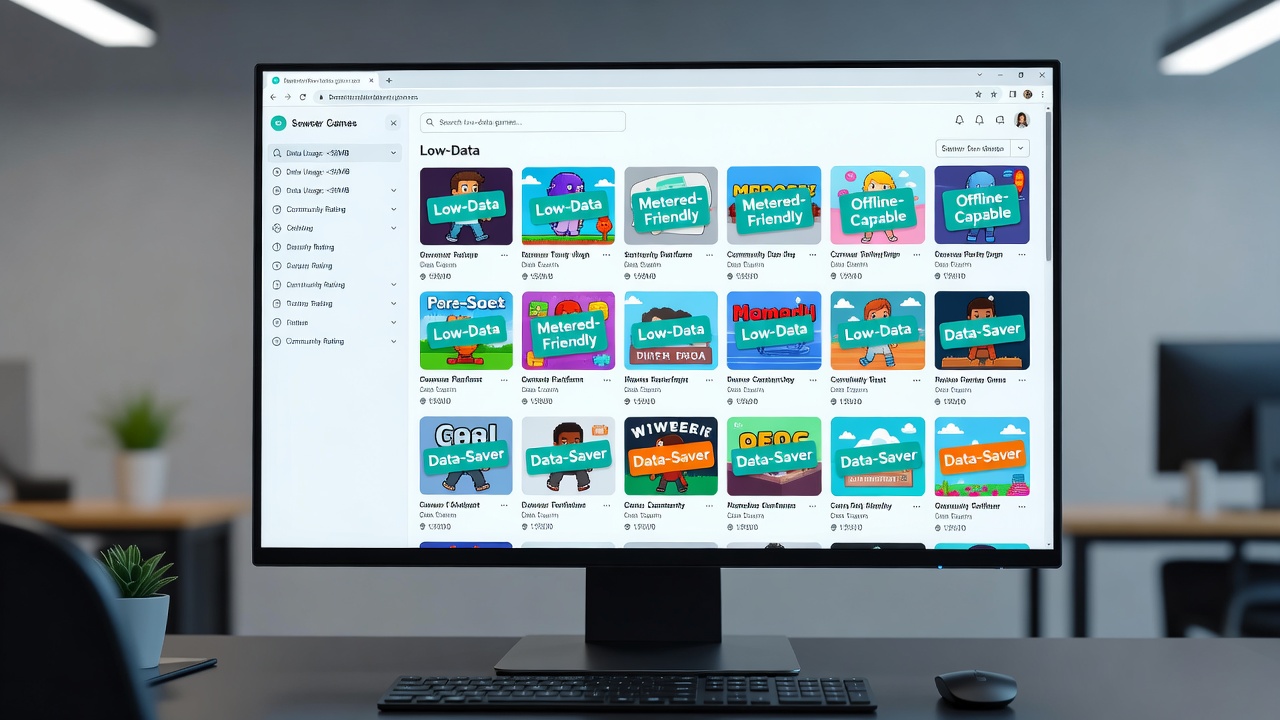
Players in regions where internet service operates under data caps have turned to community tags that identify browser games consuming minimal bandwidth, and these markers appear across multiple platforms as users share observations about data efficiency during sessions. Observers note that such tags often emerge from player reports rather than official developer statements, which creates a grassroots system for flagging titles that avoid heavy asset downloads or constant server pings. Research from the Australian Communications and Media Authority indicates that households in rural areas frequently monitor data consumption closely, and this awareness extends to entertainment choices like quick browser sessions that fit within monthly limits.
Mechanics Behind Tag Systems
Tags typically take forms such as "lightweight," "low-bandwidth," or "data-friendly," and they surface in comment sections or dedicated metadata fields where contributors log approximate megabyte usage after testing games on their connections. Those who maintain these indexes collect feedback over time, which allows patterns to form around games that load primarily through cached elements or vector-based graphics instead of streaming media. Data shows that games flagged this way often rely on simple WebGL implementations or static assets, and players in metered zones report completing full sessions under 5 megabytes in many cases.
Community moderation plays a role as well, since inconsistent reports get cross-checked against multiple device tests before tags gain wider visibility. Experts have observed that this process mirrors similar efforts in other software categories where users annotate resource demands, yet the gaming context adds layers because session length and multiplayer elements can alter totals unexpectedly.
Regional Patterns in Metered Environments
Areas with prepaid mobile data plans or satellite internet see higher adoption of these tags, and figures from the Canadian Radio-television and Telecommunications Commission reveal that subscribers in such markets prioritize applications with predictable consumption profiles. Browser games marked accordingly allow transitions between devices without exceeding caps during commutes or work breaks, and the tags help surface options that avoid background updates or large initial loads. What's interesting is how tags sometimes include notes on peak versus off-peak performance, since network throttling can vary by time of day in certain providers' policies.

June 2026 brought expanded discussions around these systems as several platforms updated their interfaces to display aggregated tag data more prominently, and this coincided with seasonal increases in mobile data traffic reported across multiple continents. Observers documented a rise in contributions from users testing games on 4G and 5G hotspots, where even modest savings compound over repeated short sessions.
Maintenance and Accuracy Challenges
Keeping tags current requires ongoing input because game updates can introduce new elements that shift data profiles, and contributors often revisit titles after patches to verify continued efficiency. Those managing the indexes sometimes cross-reference with open analytics tools that track network requests, which adds a layer of verification beyond anecdotal reports. Evidence suggests that games retaining their low-data tags over multiple months tend to use procedural generation or minimal external calls, reducing the risk of sudden spikes.
Players have discovered that combining tags with device settings, such as disabling auto-play features, further optimizes usage, and this practical layering appears frequently in shared tips attached to the markers. The ball remains in the community's court to sustain these annotations, since platform operators rarely enforce standardized data reporting for casual titles.
Broader Usage Trends
Studies from the National Telecommunications and Information Administration highlight that households balancing work and leisure on shared connections benefit when entertainment options carry clear efficiency signals, and browser games with community tags fit neatly into that category. Sessions often occur during brief windows between tasks, where predictability matters more than graphical fidelity. Tags also help distinguish between single-player experiences and those with optional online components that might increase totals if activated.
Over time, the visibility of these markers has encouraged developers to optimize assets earlier in production, and some studios now reference community feedback when releasing updates aimed at broader accessibility. This feedback loop operates quietly across forums and directories without centralized coordination.
Conclusion
Community tags for minimal-data browser games continue to evolve as users in metered regions share practical details, and the resulting system supports more informed selections without requiring additional tools or measurements. The approach relies on collective observation and periodic verification, which keeps teh information relevant across changing network conditions and device types.