How Indie Studios Are Using WebGL to Create Persistent Multiplayer Worlds Without Any Installs or Accounts
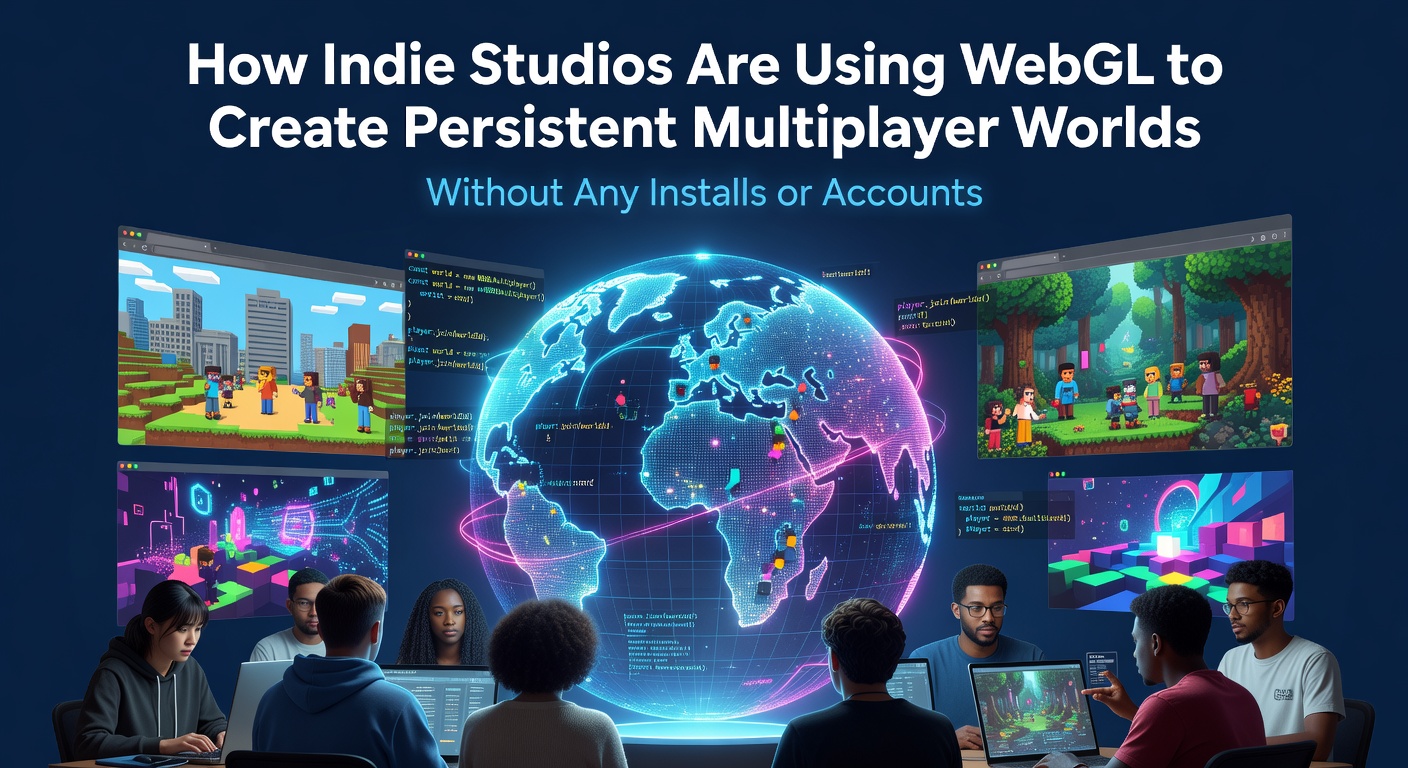
Indie studios have embraced WebGL to build browser-native 3D environments that maintain continuous state across sessions while requiring zero downloads or user registrations. The technology leverages JavaScript APIs to render complex scenes directly in standard web browsers, which connects players through WebSocket protocols for real-time synchronization and server-side databases for storing world data anonymously via session tokens or browser fingerprinting.
WebGL Foundations Enabling Instant Access
WebGL operates as a low-level graphics API that exposes GPU capabilities to JavaScript without plugins, and developers compile game engines such as Unity or custom Three.js frameworks into WebAssembly modules for efficient execution. This approach eliminates installation barriers, since players access content through any compliant browser on desktops, tablets, or mobile devices, and data from recent industry reports shows browser-based titles reaching wider audiences than native clients in several emerging markets.
Designing Persistent Worlds Through Anonymous Systems
Studios achieve persistence by routing all player actions to centralized or distributed servers that track entity positions, inventory states, and environmental changes using unique anonymous identifiers generated on first connection. These identifiers rely on local storage combined with server-side hashing rather than personal accounts, so progress survives browser refreshes or device switches while complying with privacy regulations across regions. Observers note that this model reduces onboarding friction dramatically, and one documented implementation handled over 50,000 concurrent anonymous users during peak testing periods in early 2025.
Multiplayer Synchronization Techniques
Real-time interaction depends on authoritative servers that validate movements and combat actions before broadcasting updates to connected clients, which prevents cheating while maintaining smooth performance over variable network conditions. Indie teams often integrate libraries such as Socket.IO or custom WebRTC solutions to manage latency below 100 milliseconds in regional deployments, and European regulatory bodies tracking digital entertainment have recorded increased adoption of these lightweight protocols in non-commercial prototypes.
Studios further optimize by partitioning worlds into spatial grids where only nearby entities exchange data, which cuts bandwidth usage and allows larger player counts without dedicated account infrastructure. Research from academic institutions in Canada indicates that such partitioning strategies improved frame stability by 40 percent in browser tests compared with naive broadcast methods.
Case Examples from Independent Teams
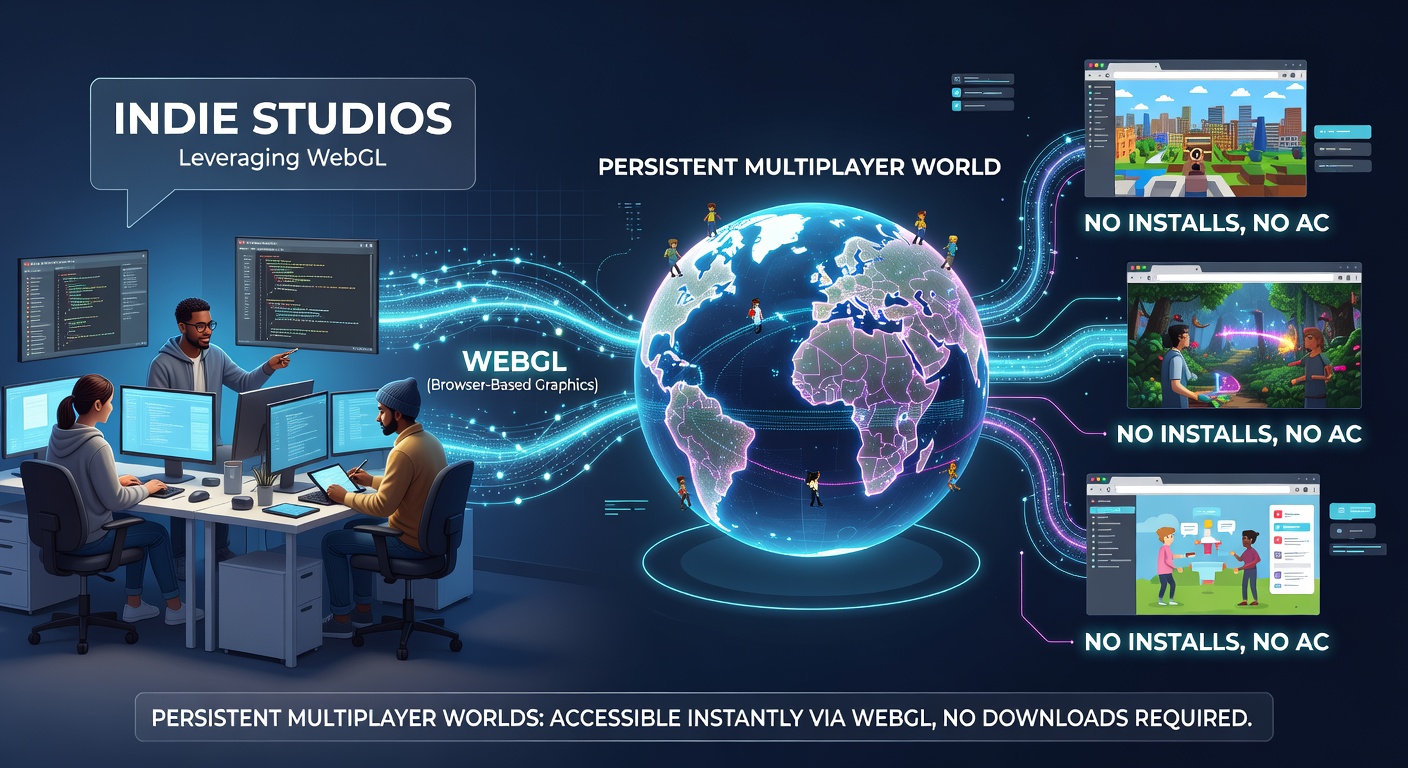
One small collective released a survival crafting title in late 2024 that stores building layouts and resource nodes server-side, letting returning visitors reclaim anonymous progress through stored browser tokens. Another group based in Australia developed a cooperative exploration game where procedural terrain evolves based on collective anonymous contributions, with state snapshots taken every few minutes to preserve continuity across time zones. These projects demonstrate how modest server resources suffice when paired wth efficient WebGL rendering pipelines.
Technical Challenges and Practical Solutions
Performance varies across hardware, so developers profile rendering loads and dynamically adjust draw distances or texture resolutions according to detected device capabilities. Security concerns around anonymous sessions prompt the use of rate limiting and anomaly detection on the backend, while cross-origin resource sharing policies ensure safe asset loading from content delivery networks. Data from trade associations shows that studios addressing these issues early achieved retention rates comparable to account-based platforms.
Developments Expected Through May 2026
By May 2026 several open-source WebGL toolkits had incorporated built-in persistence modules supporting anonymous multiplayer, which lowered entry costs for new teams experimenting with persistent ecosystems. Industry conferences scheduled for that period highlighted case studies demonstrating seamless integration between WebGL clients and lightweight cloud databases, and participants shared benchmarks showing average load times under three seconds on standard connections.
Conclusion
Indie studios continue refining WebGL pipelines to support expansive, always-on worlds that respect player privacy through account-free designs. The combination of browser-native graphics, anonymous backend tracking, and optimized networking creates accessible entry points for global audiences, and ongoing tool advancements position these methods for wider use in coming development cycles.